How to Create a Minimalist Kitchen Organization System
A well-organized kitchen can completely transform the way you cook, clean, and enjoy your home. Unfortunately, many kitchens become crowded with unused gadgets, duplicate utensils, and overflowing cabinets. This clutter not only makes meal preparation more difficult but also creates unnecessary stress in your daily routine.
Creating a minimalist kitchen organization system is one of the most effective ways to simplify your space while improving functionality. By focusing on what you truly need and organizing items with purpose, you can enjoy a cleaner, more efficient kitchen. The best part is that you don’t need a complete renovation to achieve this transformation.
In this guide, you’ll discover practical minimalist kitchen organization ideas that help eliminate clutter, maximize storage, and create a calm, organized environment.
Why Choose a Minimalist Kitchen Organization System?
A minimalist kitchen focuses on simplicity, functionality, and intentional living. Instead of filling cabinets with items you rarely use, you keep only the essentials that serve a purpose.
Some benefits include:
- Easier meal preparation
- Faster cleaning routines
- Reduced visual clutter
- Better use of storage space
- Lower stress levels
- Improved kitchen efficiency
Implementing minimalist kitchen organization ideas can help you create a space that feels open, inviting, and easy to maintain.
Start by Decluttering Your Kitchen
The first step in building a minimalist kitchen organization system is removing unnecessary items.
Take everything out of your cabinets, drawers, and pantry. Evaluate each item carefully and ask yourself:
- Do I use this regularly?
- Does it serve a specific purpose?
- Do I own duplicates?
- Is it broken or outdated?
Donate, recycle, or discard anything that no longer adds value to your kitchen.
One of the most effective minimalist kitchen organization ideas is following the “one-year rule.” If you haven’t used an item within the last year, you likely don’t need it.
Common Items to Remove
- Duplicate utensils
- Unused appliances
- Expired pantry products
- Chipped dishes
- Extra mugs
- Old plastic containers without lids
Decluttering creates the foundation for an organized kitchen.
Organize by Function
After decluttering, organize items according to how you use them.
Group similar items together:
Cooking Zone
Store pots, pans, cooking utensils, and spices near the stove.
Food Preparation Zone
Keep cutting boards, knives, mixing bowls, and measuring cups together.
Cleaning Zone
Store dish soap, cleaning cloths, and trash bags near the sink.
Storage Zone
Dedicate pantry shelves for dry goods, canned foods, and snacks.
Many successful minimalist kitchen organization ideas focus on creating designated zones because they improve workflow and reduce wasted movement.

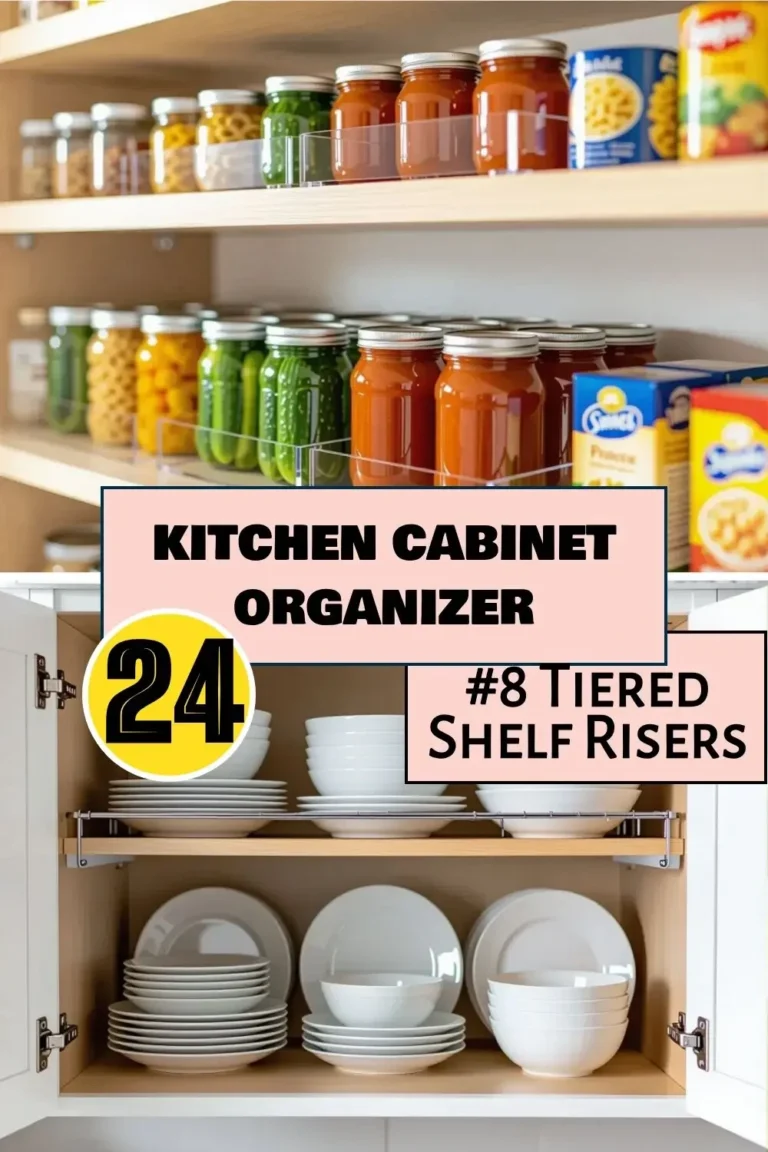
Maximize Cabinet Space
Cabinets often become cluttered because space isn’t used efficiently.
Consider adding:
- Shelf risers
- Pull-out baskets
- Stackable containers
- Under-shelf organizers
These simple additions help maximize vertical storage.
One of the smartest minimalist kitchen organization ideas is storing frequently used items at eye level while placing seasonal or less-used items on higher shelves.
Clear storage containers can also improve visibility and make it easier to locate ingredients quickly.
Create a Minimalist Pantry
A cluttered pantry can make meal planning frustrating.
Begin by removing everything and cleaning the shelves.
Next:
- Group similar foods together
- Label storage containers
- Use clear bins
- Rotate older products to the front
- Store frequently used ingredients within easy reach
Implementing these minimalist kitchen organization ideas in your pantry helps reduce food waste and keeps ingredients accessible.
Pantry Categories
Organize foods into categories such as:
- Baking supplies
- Pasta and grains
- Snacks
- Breakfast items
- Canned goods
- Spices
This system makes grocery shopping and meal preparation much easier.

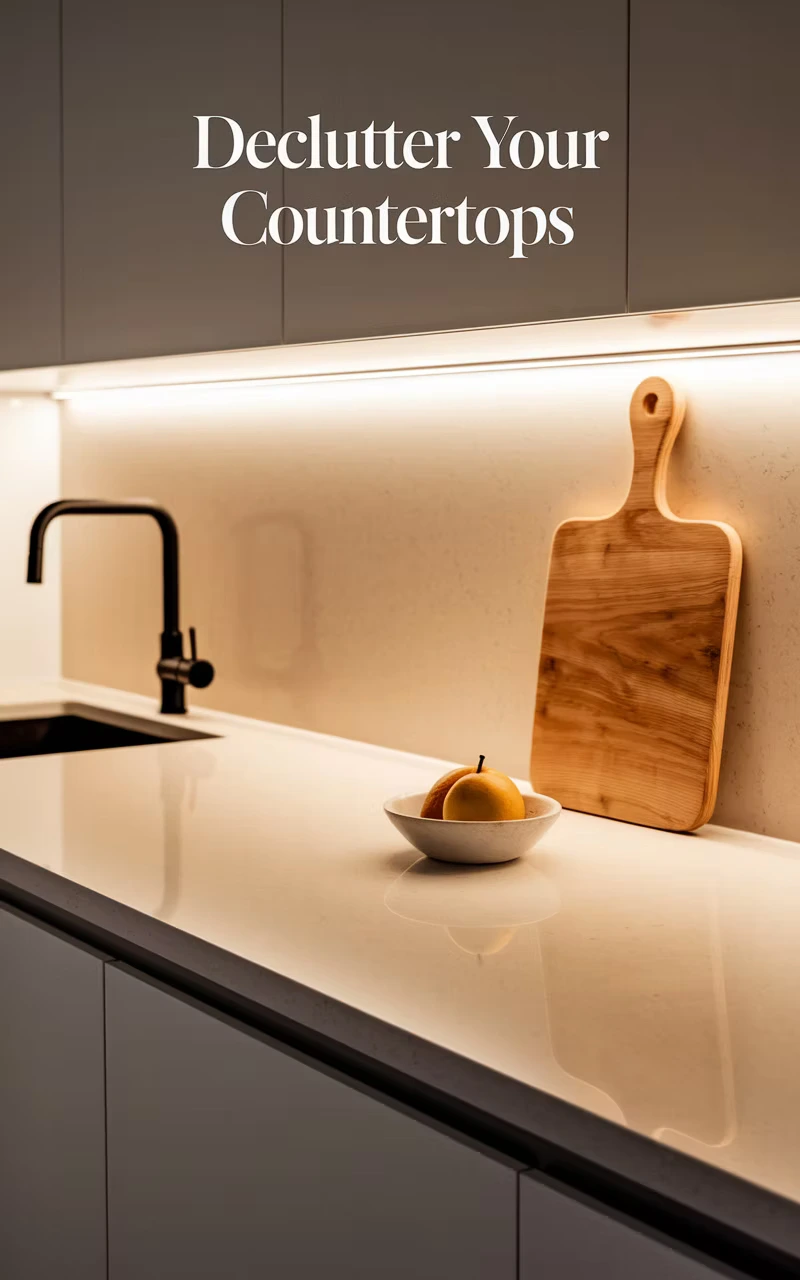
Simplify Kitchen Countertops
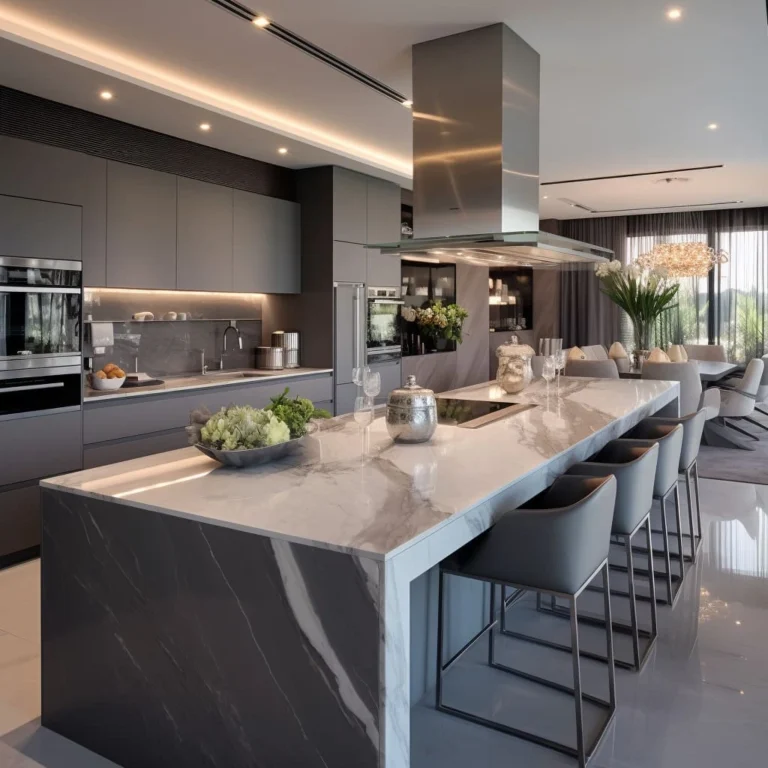
Minimalist kitchens are known for clean, open countertops.
Avoid storing unnecessary items on display.
Keep only daily essentials such as:
- Coffee maker
- Toaster (if used daily)
- Fruit bowl
- Knife block
Everything else should have a designated storage location.
Among the most popular minimalist kitchen organization ideas is adopting the “clear counter rule,” which keeps surfaces mostly empty and visually appealing.
Clean countertops instantly make a kitchen feel larger and more organized.
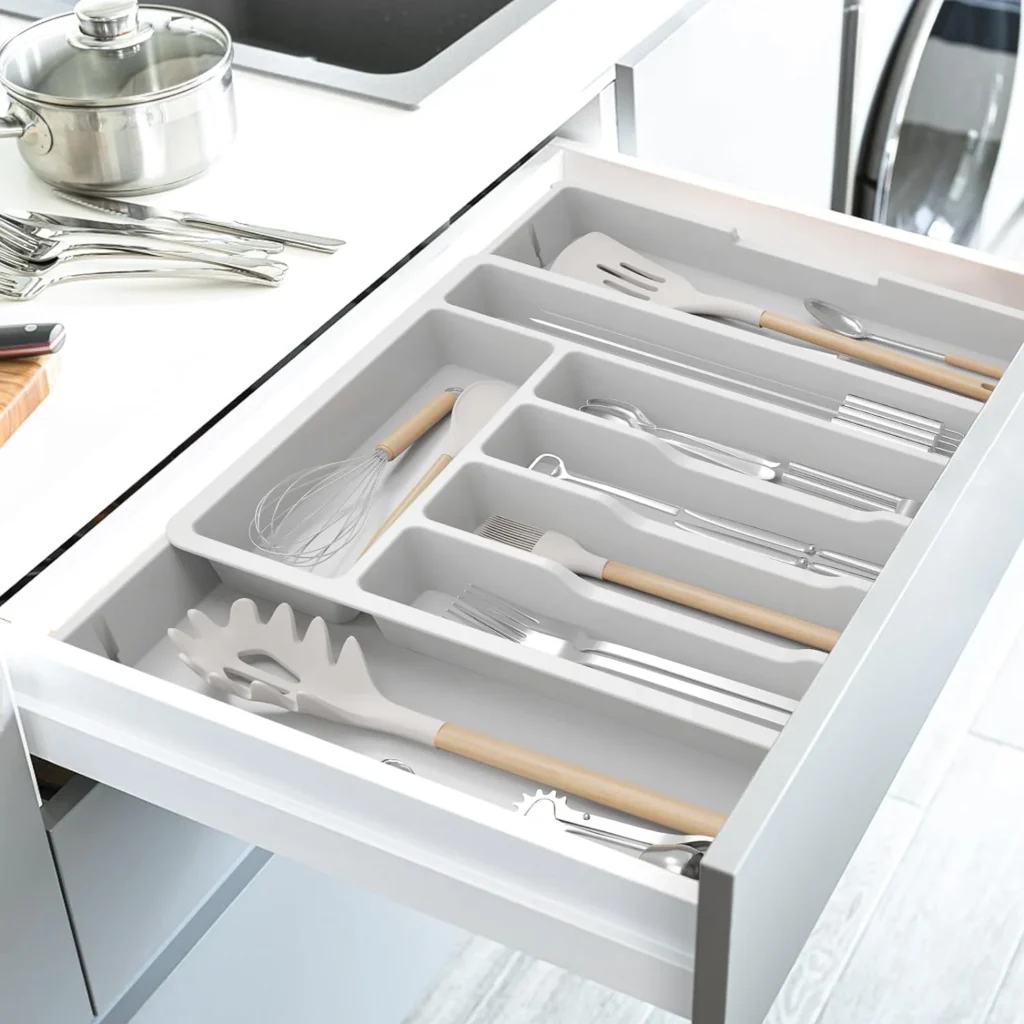
Use Drawer Organizers
Kitchen drawers can quickly become chaotic without proper organization.
Invest in drawer dividers to separate:
- Cutlery
- Cooking utensils
- Measuring tools
- Gadgets
Drawer organizers prevent items from shifting around and help maintain order.
These practical minimalist kitchen organization ideas make it easier to find what you need without digging through cluttered drawers.
Choose Multi-Purpose Kitchen Tools
Minimalism is about owning fewer items that serve multiple functions.
Instead of collecting specialized gadgets, choose versatile tools such as:
- Chef’s knife
- Cast iron skillet
- Food processor
- Measuring cups
- Mixing bowls
This approach reduces storage needs and simplifies cooking routines.
Many homeowners discover that adopting minimalist kitchen organization ideas allows them to cook more efficiently while owning fewer items.

Establish Daily Maintenance Habits
Even the best organization system requires maintenance.
Develop simple habits such as:
- Washing dishes immediately after use
- Returning items to their designated places
- Wiping counters daily
- Reviewing pantry inventory weekly
- Decluttering monthly
Consistent habits prevent clutter from returning.
One of the most sustainable minimalist kitchen organization ideas is spending just five minutes each day tidying your kitchen.
Small efforts lead to long-term results.
Benefits of Minimalist Kitchen Organization
A minimalist kitchen offers several advantages:
Improved Efficiency
Everything has a designated place, making cooking faster and easier.
Better Cleaning Routine
Fewer items mean less dust, less clutter, and quicker cleanup.
Enhanced Visual Appeal
Minimalist kitchens feel more open, calm, and welcoming.
Reduced Stress
An organized environment promotes a sense of control and peace.
Better Use of Space
Even small kitchens can feel larger with effective organization.
These benefits explain why minimalist kitchen organization ideas continue to grow in popularity among homeowners.
Pros and Cons of a Minimalist Kitchen Organization System
Pros
- Reduces clutter
- Saves time during cooking
- Easier cleaning
- Improves kitchen functionality
- Creates a more attractive space
- Encourages mindful purchasing
Cons
- Initial decluttering takes time
- Requires ongoing maintenance
- May feel restrictive for collectors
- Can be difficult for large families
- Storage solutions may require investment
Understanding both sides helps you create a realistic organization system that works for your lifestyle.
Tips for Long-Term Success
To maintain your minimalist kitchen:
- Avoid impulse purchases
- Follow a one-in, one-out rule
- Review kitchen items every few months
- Use storage containers consistently
- Keep countertops clear
- Focus on functionality over quantity
These simple minimalist kitchen organization ideas help preserve the system you’ve worked hard to create.
Conclusion
Creating a minimalist kitchen organization system doesn’t require expensive renovations or complicated storage solutions. By decluttering unnecessary items, organizing by function, maximizing cabinet space, and developing consistent maintenance habits, you can transform your kitchen into a more efficient and enjoyable space.
The key is focusing on intentional organization and keeping only what truly serves a purpose. When implemented correctly, minimalist kitchen organization ideas can reduce stress, improve productivity, and make everyday cooking more enjoyable. Whether you have a small apartment kitchen or a large family cooking space, a minimalist approach can help you create a cleaner, calmer, and more functional environment for years to come.